



Reflective habits of mind matter for intelligence, creativity, and personal growth. Here’s why, as well as what these habits look like, and how to help children develop them.
“Being able to think more reflectively, broadly, and astutely are prerequisites for high-level proficiency.” ABCs of Raising Smarter Kids – p.25
Reflective habits of mind involve learning to process information and experiences, and to think carefully before reacting to them. This may sound easy enough. Simply pause and think, before taking action, right?
However, it’s actually more complicated than that. Especially for children.
What follows is helpful information, and also 5 questions—for reflection.
ON BEING REFLECTIVE
“Reflective habits of mind provide a starting point for the development of character and wisdom.” Beyond Intelligence – p. 236
The brain grows and strengthens as a result of experience. For children, experience often involves playing, skill-building, interacting with others, consolidating knowledge, and engaging in multisensory activities. (Ideally, this occurs with encouragement, and embodies a sense of well-being.) And, as children mature and progress across different domains, their ability to communicate, be resilient, and act responsibly all demand thought.
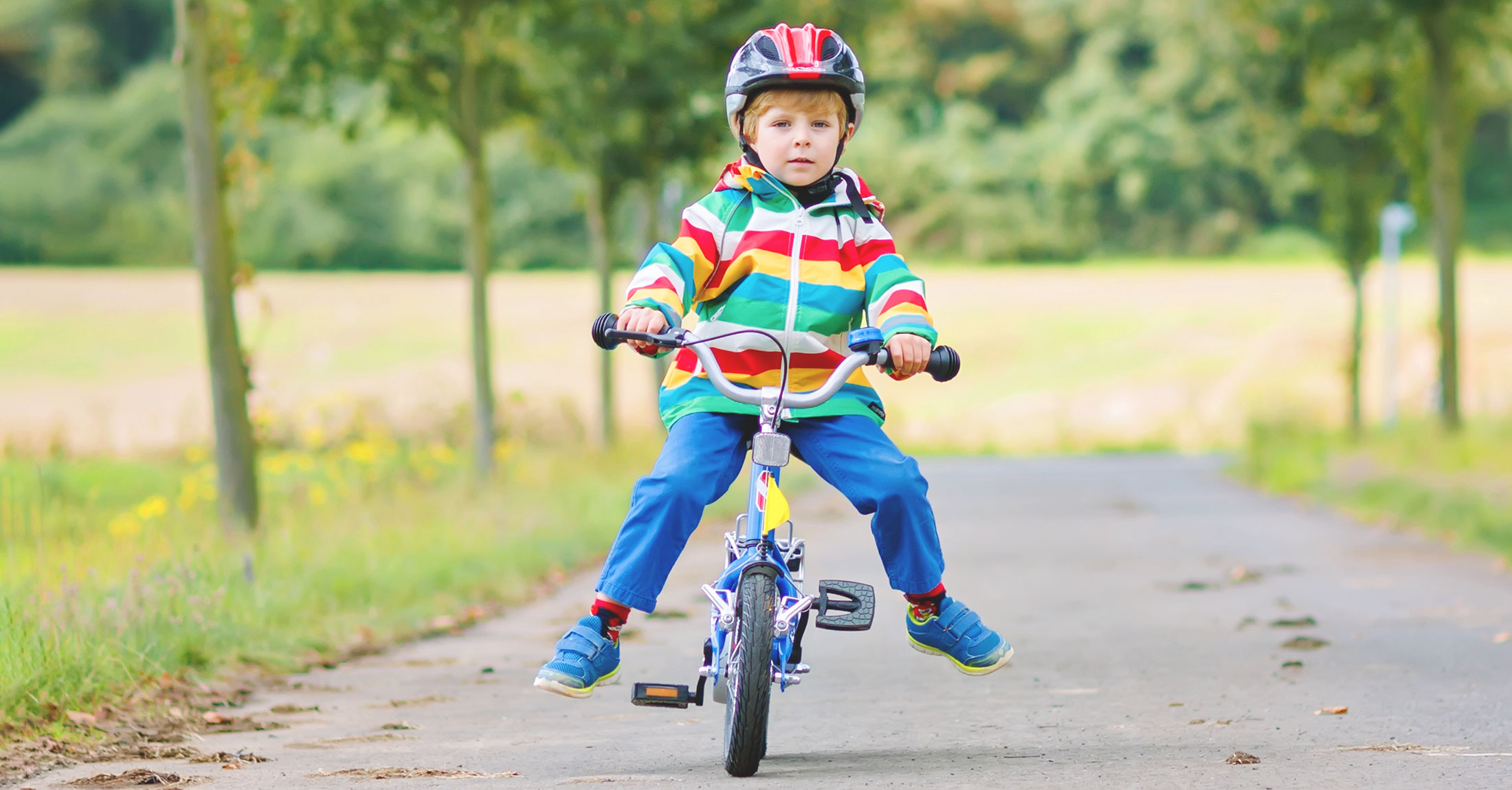
Reflection contributes to a child’s intelligence, achievement, and creativity. Reflection may take many forms, such as mindfulness, review, critical analysis, meditation, or letting ideas percolate. Physical activity (such as nature walks, biking, gardening), and various forms of creative expression (such as art, music, craftsmanship) can springboard reflection. However, regardless of how one might choose to reflect, or how young (or old) one might be, careful consideration can be enabling. It provides more fulsome perspectives, it serves as a precautionary safety measure, and it opens avenues for responding, learning, and creating.
Individuals who take the time to think about their actions, attitudes, words, and feelings—and the potential consequences (such as outcomes, implications and impact)—are better able to make informed decisions. Moreover, they get to know themselves better. They can more fully appreciate their preferences, capacities, beliefs, and possibilities for living more thoughtful lives. Yes, we live in a busy and hectic world, but parents and teachers can help kids learn to find the calm, maintain balance, embrace downtime, and be reflective. All of this is important for their mental, physical, and spiritual health.
OTHER IMPORTANT CONSIDERATIONS
“Change, progress, and innovation are all dependent upon flexibility of thought. Thinking also underlies the basic elements of every day communication: speaking, listening, reading, and writing. It is the engine of learning.” ~ Thinking Skills in The Encyclopedia of Giftedness, Creativity and Talent, Vol. 2, pp.898-899.
Thinking is used for inquiry, problem solving, creative expression, critiquing, reasoning, and so on—depending upon the situation, and context (home, school, or elsewhere). There are basic thinking skills such as remembering, comprehending, and actively listening and processing information. And, there are higher-order thinking skills such as interpreting, deeply questioning, constructing, and then evaluating new knowledge. These different kinds of skills may be applied to school-based activities, including practice, technological endeavors, drawing conclusions, collaborative effort, and research and resource gathering. And all of these lead to enhanced learning!