




ABOUT PREFERENCES
Everyone has things they really enjoy doing, and things they’d rather avoid. (Tasks, commitments, some conversations, and so on.) Looking at the big picture, varied preferences make the world go round. What if we all focused on—or avoided—the same activities, such as reading, painting, dancing, playing soccer, or whatever? It would pose endless logistical problems, as well as make for a very dull world.
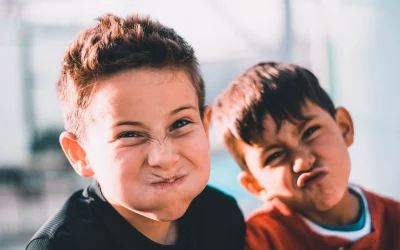
Children have preferences. For example, a baby may prefer to play with a toy giraffe stead of colorful blocks, or enjoy eating mashed bananas rather than barley cereal. A toddler might want to read a specific book over and over, or carry a favorite stuffed animal all day long. As kids get older, they confront increasing complexities, and there are more influences, choices, and decisions to make. Moreover, consequences of their decision-making can become tangled, involving schooling, social relationships, personal values, and other aspects of daily life.
Remember, circumstances and preferences inevitably change over time.
PARENTS’ ROLES AND RESPONSIBILITIES
Parents often set the standard for what young children should or should not like, do, say, wear, eat, and so on. These standards may be perceived by a child as being reasonable—or possibly geared too high or too low. Matters may have to do with big issues (like health, education, or respect for others), or little ones (like what outfit to wear, or how to straighten the bed). Children also set standards for themselves that are often based on personal (and sometimes inexplicable) preferences.
Although we all think and behave in different ways, enjoying some things and steering clear of others, there may be important considerations. Wanting ice cream instead of broccoli for example, is not a serious matter; however, decisions about proper eyeglasses, applying sunscreen, or helmet use while riding a bike, are critical. Parents can explain why certain decisions are not preferences but rather are requirements that leave little room for negotiation, especially when they pertain to a child’s health or welfare as is the case with eye or skin care, or head protection.
Give children leeway for their preferences, while keeping safety in mind.