




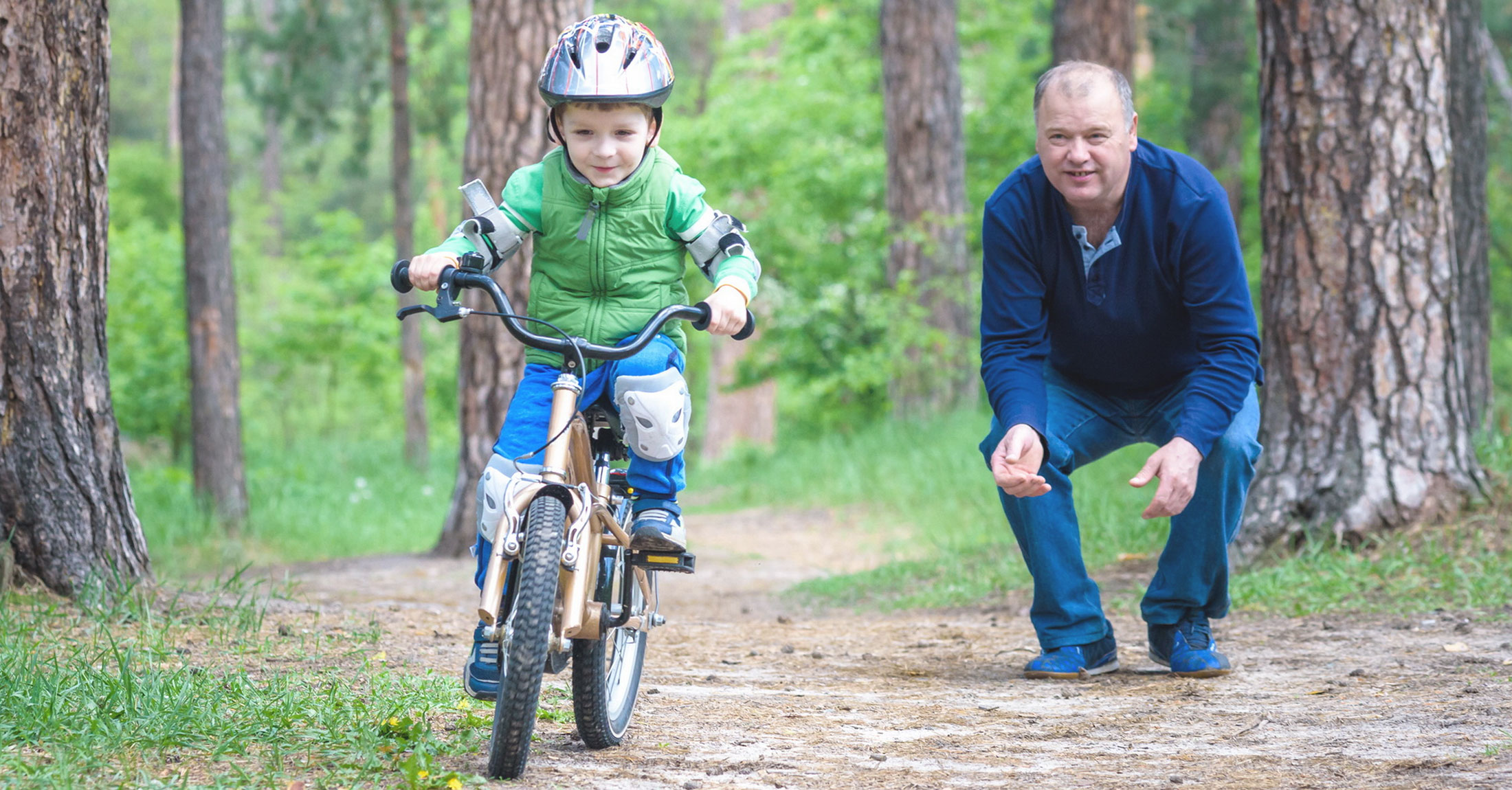
When children declare “I CAN!” their motivation and ensuing effort often instill pride in parents—who can observe progress, and offer guidance if needed. CAN is much preferred over its opposite—which is CAN’T. That word is not nearly as enticing.
Nevertheless, “I CAN’T” is often uttered, shouted, or cried by children when they encounter something that seems too challenging. For example, if an expectation, activity, or task appears difficult, confusing, scary, yucky, or overwhelming. A child who laments they’re unable could be feeling intimidated. They may be reluctant to move forward or to participate, and stubbornly refuse to budge. Unfortunately, a forceful and determined “I CAN’T” sometimes becomes “I WON’T.”
WHAT DOES THE RESEARCH SAY?
Research on motivation shows that kids engage in activities and learn best if they’re interested (for example, it’s fun, exciting, or sparks the imagination), and if they’re appropriately challenged (for example, what’s expected of them is neither too easy nor too hard.) Appealing to a child’s curiosity and capabilities will augment their enthusiasm and involvement. To that end, consider the design and intent of an activity or task. Do demands align with individual levels of readiness, and prior learning? Are expectations fair and fitting?
THREE STRATEGIES LEADING TO “I CAN”
Here are some tips to help children find their way forward (with a little assistance from grown-ups).
1. Help children recognize and focus on all they’re able to do. Such as being kind to others, making good choices, or helping around the house. Reiterate the positives. And, if reluctance seeps into a situation, try to nip it early. Just because a child thinks they may not be able to do something doesn’t make it so. Show them specific steps that will empower them to get past whatever might be causing hesitation. Demonstrate the sort of strategies you use to turn things around. Find a helper? Take it one bit at a time? Enjoy a break (time to think or relax) and then start anew? Show the importance of trying, and being persistent and resilient, too.
2. Stoke creativity. Children who are encouraged to use their creative energy are more likely to take initiative, stay engaged, and ultimately prevail. Opportunities to be creative (across domains and by finding different outlets for expression) can be invigorating! Hopes and dreams can also be springboard for action, and for triggering “I CAN!” and a sense of accomplishment.
3. Reassure. Be attuned to a child’s needs or concerns. For example, these may be related to their feelings, relationships with others, fatigue, health, or life balance. Help children identify what’s bothering them (underlying “I CAN’T”), and then discuss possible ways to adapt, to be resourceful, and to strengthen abilities, confidence, and circumstances accordingly (facilitating “I CAN” instead). Convey faith in their abilities. Chat about their successes and their previous experiences when they “could” and they “did.”