




“Name That Emotion!” sounds like the title of a television game show, but it’s not. It’s a useful strategy to help children understand and then manage their feelings. Those feelings may differ depending on circumstances (such as school transitions or changing environments), or interactions and responses (as might occur with altercations or unanticipated challenges). Feelings can ebb, flow, and recur, and they can vary in intensity, length of time, and manageability.
Children may have trouble identifying their emotions, and yet that’s an important step in learning how to deal with them. For example, they may feel disappointed, worried, elated, sad, scared, frustrated, ashamed, and so on, and not realize what it’s all about. It helps to put a name to a feeling. This involves thinking, and word processing. And sometimes, it’s beneficial to share one’s feeling(s) with others so they can offer support, including reassurance, clarity, and suggestions for coping and moving forward.
Thought-Provoking Perspectives
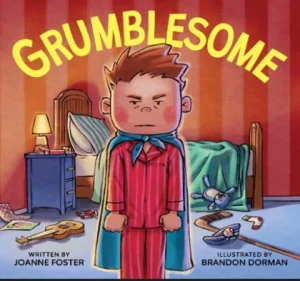
Dr. Michele Foster, (my daughter), is a Toronto-based clinical psychologist, and co-founder of Toronto Psychology and Wellness Group. She previewed my new children’s picture book, Grumblesome, and shared professional perspectives in response to the story (about a young boy named Nat who confronts “grumblies,” and other strong feelings).
Michele says, “feelings can spiral into other ones,” and it can be hard for children to make sense of what’s happening. She emphasises the importance of finding the “right” word for realizing and communicating feelings, and for gaining self-awareness. Referring to the book, she notes, “When Nat is in his room, he’s angry, then sad, then guilty. Those are all different feelings with different behaviors.” (For example, anger can elicit pillow punching, sadness can evoke tears, and guilt or shame can result in turning away.)
However, supportive measures, such as snuggling a teddy, breathing deeply, or counting slowly, can be calming. Moreover, reflection, resolve, problem-solving, and creative expression can be helpful, and give rise to feelings of pride and joy.
Ways to Offer Emotional Support
Here are three proactive considerations:
- Make time to talk with children about feelings. Be sure to listen, too! For example, Michele suggests that after reading Grumblesome together, adults might ask a child, “What other words would you use to describe that grumbly feeling?” Grown-ups can also share some (albeit maybe not all) words they use for that feeling. Or ask a child what triggers their grumblies, and what they do when it happens.
- Keep it simple. Familiar words are easier for children to grasp, especially when they’re trying to get a handle on their feelings. For instance, sad, excited, or confused are more relatable than BIG words like melancholy, exuberant, or discombobulated. (However, vocabulary can be rich and fun, and bigger words might be interesting to chat about once things settle down.)
- Pay attention to how feelings can lead to other feelings. That is, primary and secondary emotions. Michele writes, “Most people (especially kids) don’t understand how these feelings can lead to each other, and how just noticing and naming the feelings can reduce their intensity.”
Last Words
Learning about feelings is a foundational skill that can be taught and reinforced daily at home, school, and elsewhere. Building upon that skill will help children grow into stronger, more resilient, and happier adults.
Author’s Note:
I’m proud to share a couple of emotions-related editorial review comments for Grumblesome:
The book offers young readers an accessible and appealing entry point for learning how to reflect on actions, self-soothe, and make amends.”
~ Kirkus Reviews (starred review!)
“The story transforms everyday frustrations into meaningful learning moments for young readers… Tender, relatable, and emotionally intelligent, Grumblesome shows us all that even the biggest grumbles can lead to the sweetest growth.”
~ CANREADS Book Review