



Yes, bumptiousness is a real word! (I’m always intrigued by unusual words like that.) People who are bumptious behave confidently—but in a pushy way. It’s not just being assertive. Bumptiousness is behavior that’s annoying, overbearing, or arrogant.
What’s the difference between being bumptious and being boisterous? Kids who are boisterous are noisy or energetic. Boisterousness is a kind of exuberance, often with fun in the mix. Children sometimes act boisterously when playing or when engaging in high-spirited activities. For example, games of tag or dodge ball, or lively interactive music circles can become boisterous.
When children act bumptiously though it’s not okay. For example, that same game of tag or that music circle can be disrupted when even one child acts offensively, is boastful, or exhibits disregard for the feelings of others. This can be grating, strain friendships, and make situations stressful.
So, what can parents do when a child is bumptious, and this behavior interferes with relationships and healthy social dynamics?
Here are some helpful (and rhyming!) suggestions:
ANTICIPATE. Boisterous situations have the potential to get out of hand. That’s when bumptiousness can occur. It’s important for adults to keep an eye open for behavior that becomes increasingly rowdy, including if kids lose control or argue, if noise levels or tempers suddenly flare, or if play gets aggressive.
DEMONSTRATE. Specific examples of appropriate behavior versus rude or bumptious behavior can help kids understand the difference, so then they can learn to notch things down if need be. For instance, sharing a toy instead of grabbing it. Listening to others rather than interrupting them. Some children learn best by observing, so when they see good behavior, they can emulate it.
EDUCATE. Chat about words! Have fun! Talk about how the word boisterous is a descriptor, like scratchy, sparkly, or stormy. Boisterous can be used to describe children, ocean waves, concerts, squawking chickens, and more. However, the word bumptious describes a harsher form of behavior. It has the word “bump” in it! It rhymes with “presumptuous.” It’s a word many people have never heard of before—an atypical word for behavior that merits attention.
SEPARATE. Sometimes when bumptiousness occurs, what’s needed is a bit of time and space. This might involve separating a child from a context wherein they’re behaving inappropriately. A temporary respite can be a beneficial strategy for getting things back on track.
CELEBRATE AND MOTIVATE. Recognize and reinforce suitable behavior. Commend children for being kind, polite, and helpful, and for acting in ways that are respectful of others. Encourage them to share, listen, and collaborate. Convey positive vibes in response to positive actions. This can be motivating!
LAST WORDS
Children’s behavior will vary in accordance with many factors, including what they want, what they’ve learned, where they are, who they’re with, and how they’ve been taught. Help kids know when exuberance is warranted, and when and how it might be best to rein in bumptious actions and reactions. This will be an important tool in their social skills arsenal, and one that will help them navigate situations and relationships going forward in playgrounds, at home, in school, at camp, or wherever they may be.
AUTHOR’S NOTE:
I first encountered the word bumptiousness on page 307 of the book The Zookeeper’s Wife by Diane Ackerman. The author used the word to describe how some people behaved during a difficult time in their town’s history.
AUTHOR’S ADDITIONAL NOTE:
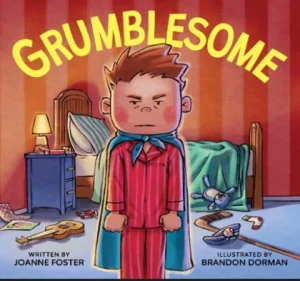
In GRUMBLESOME, my new rhyming children’s picture book, a young boy named Nat behaves bumptiously at bedtime. Readers follow along as he strives to resolve his feelings, and figures out a creative way to restore family harmony. GRUMBLESOME is brilliantly illustrated by Brandon Dorman. (Publication September 2026; preorders available across retail outlets.) Find out more at www.joannefoster.ca