



A Few Questions to Consider
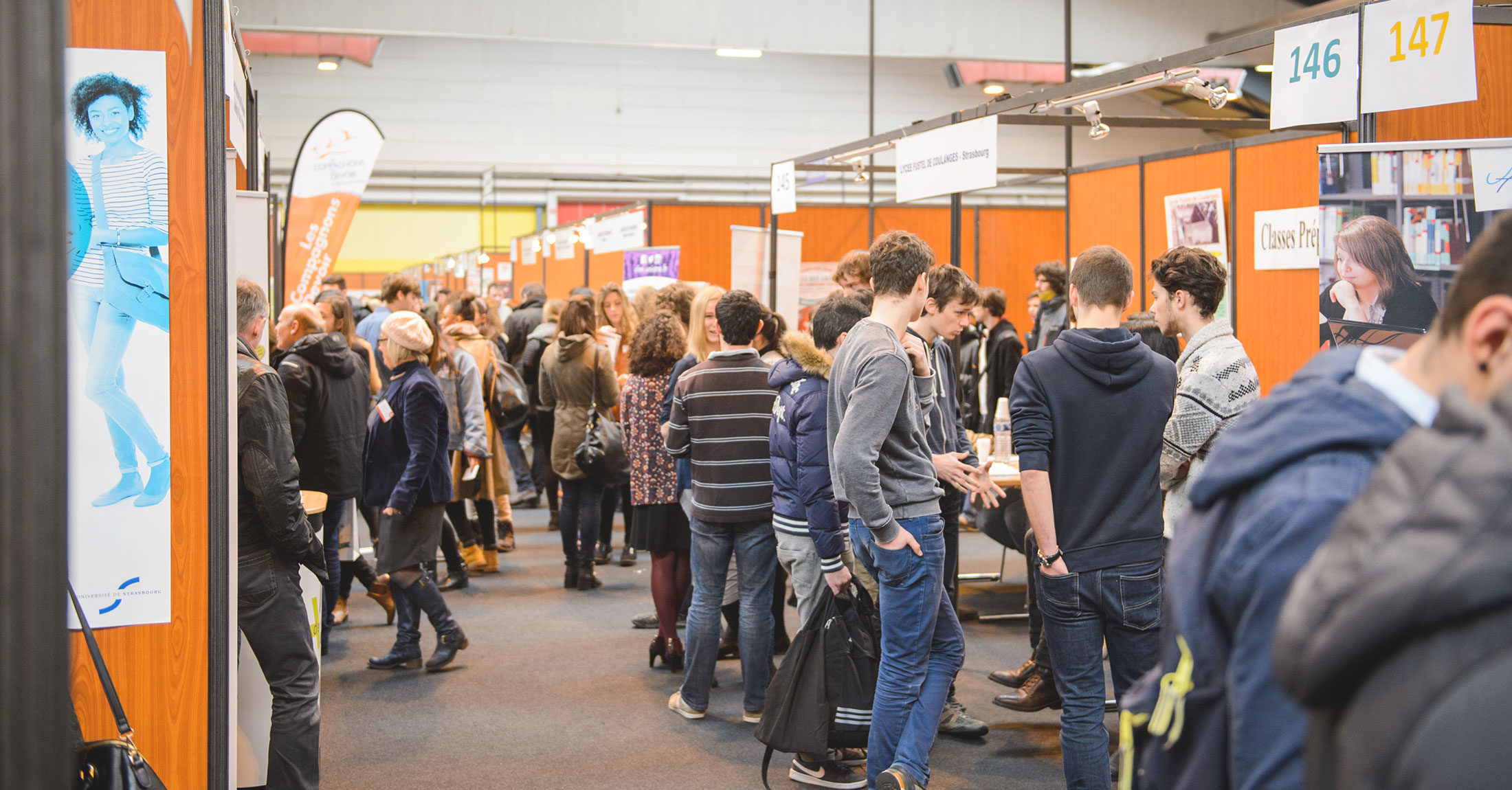
What do you think about school science fairs?
Should they be an obligatory part of the educational curriculum? A voluntary program option? An extracurricular offering? Or maybe they should be abandoned or set aside altogether—or at certain grade levels—so teachers and students can place greater emphasis—and spend more time—on other learning experiences instead?
What do students of different ages and ability levels think about these science fairs? How often do kids work on the projects independently? Collaboratively? Do parents assist? Should they become involved and, if so, to what extent?
All these questions come to the fore when considering the nature and potential benefits of science fair learning experiences.
Ultimately, however, it all depends on the individual(s) you ask—and when. And the questions merit discussion. So, feel free to have a chat with others about this rather controversial topic!
In the meantime, here’s my perspective, culled from a recent journal interview question on the subject. (From “Igniting Creativity in Childhood—and Beyond,” in the current issue of The Journal for the Education of Gifted Young Scientists. https://dergipark.org.tr/en/pub/jegys
(Question posed by Dr. Michael F. Shaughnessy, and answered by Dr. Joanne Foster.)
Interview Question and Answer
Q – We all know about “science fairs”—typically in middle school—which provide outlets for students to showcase their thinking and creativity. Any ideas here?
A – Science is fundamentally the pursuit and study of discovery—and any opportunity to advance that kind of learning is advantageous for the here-and-now, and for the future. Ideally, the emphasis should not be narrowed to science fairs; it should pervade the daily activities and learning experiences in which kids engage all the time, at home, school, and elsewhere. There’s technology, inquiry, data collection, and countless other aspects of science children can investigate. However, science is not only about facts and research. It’s about exploration, trial and error, perseverance, and more. For example, composer Vangelis notes, “Music is science more than art, and it is the main code of the universe.” And astrophysicist Carl Sagan wrote, “Science is a way of thinking much more than it is a body of knowledge.” Most importantly, science is about imagination, and curiosity–which need not be restricted to science fairs!
So, let’s continue with those fairs but let’s stretch far beyond them, too, because our future depends on it. Theoretical physicist Stephen Hawking said, “Scientists have become the bearers of the torch of discovery in our quest for knowledge.” It’s a calling, and a necessity!