




In the Wizard of Oz (by L. Frank Baum), the scarecrow wants a brain, the tinman longs for a heart, and the lion wishes he had courage. They experience many adventures (and misadventures), before discovering they each already possess what they desire. They’d never used it to advantage until compelled to do so.
Much like these fictional characters, children can develop their brainpower, understand and regulate their emotions, and summon bravery. However, during the ebb and flow of life, these personal strengths can be affected by various influences, circumstances, and challenges. It’s good to know that supportive measures can help kids augment brainpower, embrace feelings within the heart, and harness the power of courage. Here are some considerations, alongside proactive suggestions for learning.
THE BRAIN
Brain development is non-stop, with billions of operations occurring every second. The brain is always creating new patterns, pathways, and networks, and its malleability underlies learning. Scientists continue to research brain development and neural plasticity—the brain’s amazing potential for change and growth.
Suggestions—Thinking skills, creativity, communication, and motor development are just some aspects of learning that can be enhanced by brain-building activities. These include games, hands-on explorations, puzzles, multi-sensory interactions, imaginative play, and idea-sharing. Whether at summer camp, school, or in a community setting, kids can read, question, debate, dance, write, draw, research, plan, pursue interests, and more—all of which will fortify the brain’s neural efficiency. Children who are encouraged to learn about cognitive diversity (how no two brains are alike) come to appreciate how the brain works, and its awesomeness.
THE HEART/EMOTIONS
The heart is the ever-pulsing home-base for the body’s circulatory system. However, the heart is also the figurative home of emotional responses. Children play, and engage with the world, and often experience happiness and excitement. Yet there are also times when other feelings emerge. Uncertainty, anger, loneliness, fear, and disappointment are just a few examples. Each child has different feelings and needs at different times. Difficult emotions can interfere with their every-day activities, well-being, motivation, and learning. Conversely, feelings such as joy, pride, relief, optimism, and confidence can be uplifting.
Suggestions—Help children name and validate their feelings, and reinforce positivity, calm, and resilience. Parents, teachers, and caregivers can listen, observe, and acknowledge children’s concerns, efforts, overtures, and accomplishments. Adults can also show how they successfully monitor and regulate their own emotions, and they can encourage kids to reflect, connect with friends and family, and ask for help if they need it.
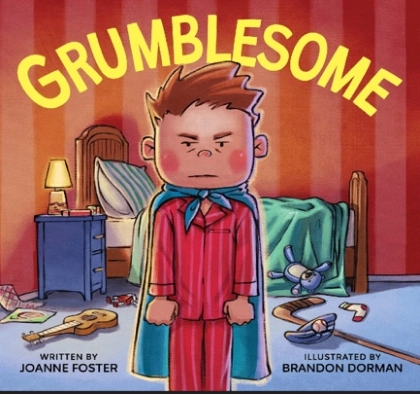
In my new children’s picture book, GRUMBLESOME, (illustrated by Brandon Dorman, and published by Gifted Unlimited), a little boy named Nat discovers how to deal with strong feelings after a quarrel with his parents. How? He uses resolve, develops problem solving strategies, and taps his creativity! Reassuring stories like this, depicting a child’s emotional experience, means of coping, and personal growth, can help children fortify their own emotional intelligence, including ways to manage daily ups and downs.
COURAGE
Courage reflects daring, bravery, and tenacity. It can empower kids to overcome obstacles, face worries or tough situations, and achieve goals. However, summoning courage may require ingenuity, resourcefulness, and determination. A sense of purpose can also be a driving factor for action, leading to increased know-how, pride, pleasure, connectivity, and confidence.
Suggestions—Offer reassurance and reinforcement as children take next steps, and acquire faith in their own abilities to tackle challenges. Kids may need assistance as they discover and develop strengths such as flexibility, patience, open-mindedness, and whatever else gives them an edge. Encourage them to visualize success, to find the relevance of tasks, to persevere, and to reframe negativity as opportunities. Also, everyone can tap into their creativity as they broaden their experiences! (Creativity can help boost brain-power and emotional well-being, too.)
LAST WORDS
The brain, the heart, and courage—a powerful trio, interconnected and working harmoniously. Valuing and strengthening each of them requires proactivity and effort, but thankfully, no wizardry!
ABOUT THE AUTHOR
Dr. Joanne Foster is a multiple award-winning author of several books. Her newest publication, GRUMBLESOME is a children’s rhyming picture book with brilliant artwork by Brandon Dorman. GRUMBLESOME is the recipient of a Kirkus Starred Review! It’s published by Gifted Unlimited, with a release date of Sept. 15th, 2026. (Pre-orders are available now across retail outlets.) For information, and resources on learning, creativity, motivation, well-being, and more—and to subscribe to Joanne’s newsletter—go to www.joannefoster.ca